
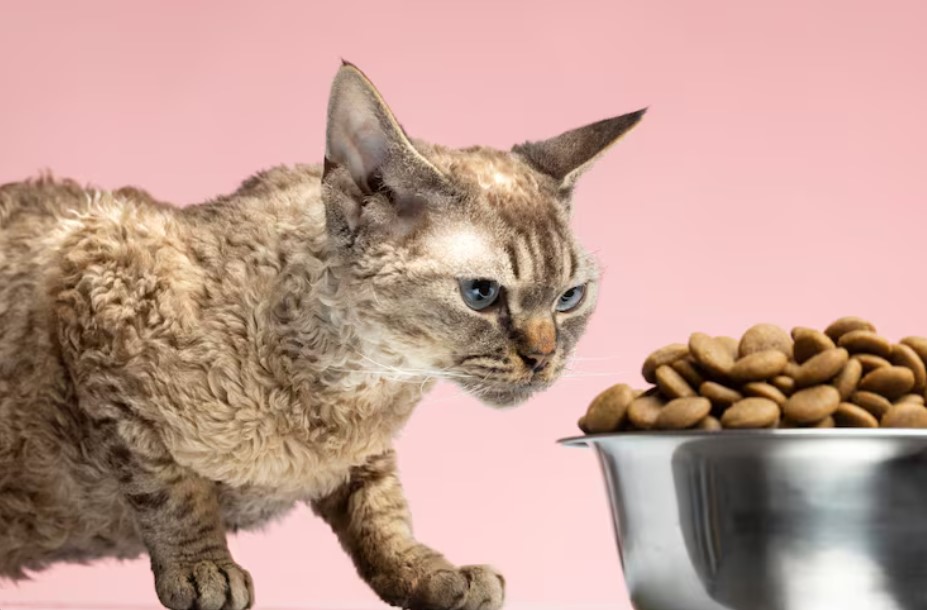

Obesity is one of the most common health issues affecting cats today, especially indoor cats in the USA. With reduced activity levels and easy access to calorie-dense meals, many cats gain weight faster than their owners realize. This raises an important question among pet parents: Can diet choices, especially wet food, help prevent obesity in cats?
In this detailed guide, we’ll break down the science behind feline weight gain, explore how wet food plays a role, and help you make smarter feeding decisions for your cat’s long-term health.
Understanding Obesity in Cats
Before diving into food types, it’s important to understand what feline obesity actually means.
A cat is considered overweight when it weighs 10–20% above its ideal body weight, and obese when it exceeds that by more than 20%. While it may seem harmless at first, excess weight can lead to serious health issues, including:
- Diabetes
- Joint problems
- Heart disease
- Liver complications
- Reduced lifespan
Indoor cats are particularly at risk because they burn fewer calories compared to outdoor or highly active cats.
What Causes Weight Gain in Cats?
Obesity is usually the result of calories consumed exceeding calories burned, but several factors contribute to this imbalance:
1. Overfeeding
Many pet owners unintentionally feed more than required, especially when free-feeding.
2. Low Activity Levels
Indoor cats may not get enough exercise, leading to slower metabolism.
3. High-Calorie Diets
Some diets are calorie-dense but nutritionally imbalanced.
4. Age and Metabolism
As cats age, their metabolism slows, making weight gain easier.
5. Lack of Portion Control
Estimating food amounts without measuring can lead to excess intake.
Where Wet Food Fits Into the Picture
Wet cat food differs significantly from dry kibble in both composition and calorie density.
Key Differences:
- Higher moisture content (70–80%)
- Lower calorie density per serving
- Typically higher in animal-based protein
- Lower carbohydrate levels
These characteristics directly influence how a cat consumes and processes calories.
Does Wet Food Help Prevent Obesity?
1. Lower Calorie Density Per Meal
One of the biggest advantages of wet food is that it contains fewer calories per gram compared to dry food. Because it has high water content, cats can eat larger portions while consuming fewer calories.
👉 This helps cats feel full without overeating.
2. Promotes Better Portion Control
Wet food is usually served in measured portions (cans or pouches), making it easier to control intake.
Unlike free-feeding dry kibble, structured feeding reduces the risk of constant snacking.
3. Supports Natural Eating Behavior
Cats are natural hunters that prefer multiple small meals throughout the day. Wet food aligns better with this behavior when fed in controlled portions.
4. Higher Protein, Lower Carbs
Cats rely on protein for energy, not carbohydrates. Many wet formulas contain:
- Higher protein levels
- Lower carbohydrate content
This helps:
- Maintain lean muscle mass
- Reduce fat storage
- Improve metabolism
5. Improves Satiety (Feeling of Fullness)
Because of its moisture content and texture, wet food tends to be more satisfying. Cats feel fuller faster, which reduces begging and overeating.
Scientific Insights on Wet Food and Weight Management
Several veterinary studies suggest that high-moisture diets can support healthy weight management in cats.
Key findings include:
- Cats on high-moisture diets often consume fewer total calories
- Increased hydration improves metabolic function
- Protein-rich diets help preserve muscle while reducing fat
While wet food alone isn’t a magic solution, it plays a significant role when combined with proper feeding practices.
Hydration: An Added Benefit
Cats naturally have a low thirst drive, which means they often don’t drink enough water.
Wet food provides essential hydration, which:
- Supports kidney health
- Aids digestion
- Improves overall metabolism
Better hydration indirectly supports weight management by improving bodily functions.
Common Myths About Wet Food and Obesity
Myth 1: Wet food causes weight gain
👉 Fact: Weight gain is caused by excess calories, not the type of food.
Myth 2: Dry food is better for weight control
👉 Fact: Dry food is often more calorie-dense and easier to overfeed.
Myth 3: Wet food is just a treat
👉 Fact: It can be a complete and balanced diet when properly formulated.
When Wet Food Alone Isn’t Enough
While wet food offers several advantages, it’s not a guaranteed solution for preventing obesity.
Other Factors Matter Too:
1. Portion Size
Even low-calorie food can lead to weight gain if overfed.
2. Feeding Schedule
Consistent meal times help regulate metabolism.
3. Activity Level
Cats need daily play and stimulation to burn calories.
4. Treat Intake
Excess treats can quickly add extra calories.
How to Use Wet Food Effectively for Weight Control
1. Measure Every Meal
Use a feeding guide or consult your vet for portion sizes.
2. Feed Multiple Small Meals
Divide daily intake into 2–4 meals to match natural eating patterns.
3. Combine with Playtime
Encourage activity with toys and interactive sessions.
4. Monitor Body Condition
Check your cat’s weight regularly and adjust feeding as needed.
5. Choose High-Quality Options
Look for formulas rich in animal protein with minimal fillers.
Wet Food vs Dry Food: Which Is Better for Weight Management?
| Factor | Wet Food | Dry Food |
|---|---|---|
| Moisture Content | High (70–80%) | Low (10% or less) |
| Calorie Density | Lower | Higher |
| Portion Control | Easier | Harder (free-feeding risk) |
| Protein Quality | Often higher | Varies |
| Satiety | More filling | Less filling |
👉 Conclusion: Wet food generally offers better control over calorie intake, making it a strong option for weight management.
Choosing the Right Wet Food
Not all products are equal. When selecting the best wet food for cats, consider:
- Real animal protein as the first ingredient
- Minimal fillers and artificial additives
- Balanced nutritional profile
- Life-stage appropriate formulas
Avoid options with excessive carbohydrates or vague ingredient labeling.
Signs Your Cat Is at a Healthy Weight
You can assess your cat’s body condition at home:
- Ribs are easily felt but not visible
- Waist is visible from above
- No excessive fat around the abdomen
If you’re unsure, a veterinarian can provide a professional evaluation.
Final Thoughts
So, does wet food help prevent obesity in cats?
Yes—but only as part of a balanced approach.
Its lower calorie density, higher moisture content, and protein-rich profile make it an excellent tool for managing weight. However, portion control, regular activity, and consistent feeding habits are equally important.
By combining the right diet with an active lifestyle, you can help your cat maintain a healthy weight and enjoy a longer, happier life.
FAQs
1. Can wet cat food alone prevent obesity?
Wet cat food can help reduce calorie intake, but preventing obesity also depends on portion control, activity, and overall feeding habits.
2. Is wet food better than dry food for weight loss?
Wet food is often better for weight management because it has lower calorie density and helps cats feel fuller.
3. How much wet food should I feed my cat daily?
The amount depends on your cat’s weight, age, and activity level. Always follow feeding guidelines or consult your vet.
4. What is the best wet food for cats trying to lose weight?
Look for high-protein, low-carb formulas with clear ingredient labeling and no unnecessary fillers.
5. Can I mix wet and dry food for my cat?
Yes, a mixed feeding approach can work well, but you must carefully balance portions to avoid overfeeding.