

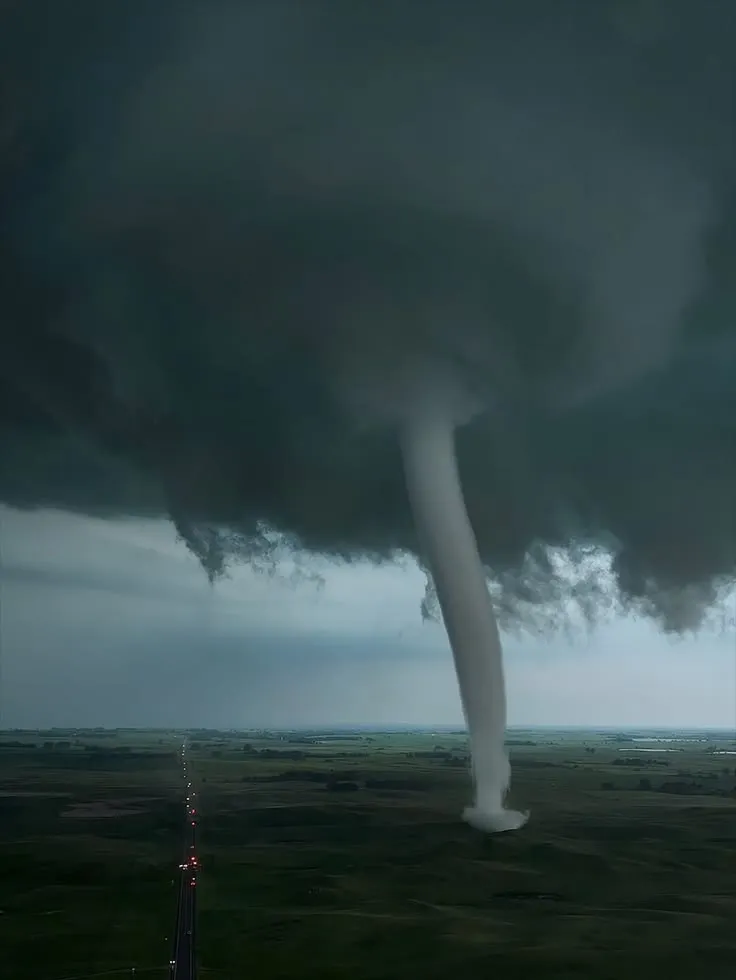
Long-distance driving is often treated as the least interesting part of a vacation. Travelers count the miles until they reach the next attraction, paying little attention to what happens between stops. A trip centered on storm chasing tours 2027 Wichita Kansas changes that relationship with the road. The landscape and sky are constantly worth observing because conditions can look noticeably different as the journey moves across the Plains.
Instead of separating travel time from the main experience, weather watching makes the two part of the same story. Cloud cover, visibility, sunlight, distant rain, and regional scenery can all change during the drive, giving travelers something new to notice throughout the day.
The View Through the Window Keeps Evolving
A morning departure may begin beneath relatively uniform skies, yet several hours of travel can reveal completely different conditions. Clouds might become more numerous in one direction while another area remains mostly clear. Farther along the route, growing towers may begin appearing above the horizon.
Watching these gradual transitions helps travelers appreciate distance. Weather shown as nearby regions on a map can feel considerably more distinct when those areas are experienced from the road.
Landscapes Give Weather a Sense of Place
Clouds are interesting anywhere, but the landscape beneath them helps define the experience. Across the Plains, agricultural fields, rural highways, scattered buildings, and small communities provide a constantly changing foreground. Travelers may begin associating particular scenes with specific portions of the journey.
A distant cloud tower above farmland creates a different impression from the same type of cloud seen near a town. These combinations make the travel experience geographically distinctive.
Sunlight Can Change Within Miles
Weather watching is not limited to identifying storms. Light itself can make road travel visually engaging. A vehicle may move from bright sunshine into the shadow of a large cloud and back into illuminated countryside later. From a distance, travelers can sometimes see patches of sunlight moving across the landscape.
These contrasts are particularly striking where the horizon is broad enough to show bright and shaded areas at the same time.
Distant Weather Builds Anticipation
People considering tornado tours USA 2027 may discover that some of the most engaging views occur before reaching the day’s main area of interest. A growing cloud on a distant horizon naturally attracts attention. As the road continues, travelers can observe whether it becomes larger, changes shape, or remains only a small feature in the distance.
This gradual approach creates a sense of progression that cannot be reproduced by simply arriving at a fixed attraction.
Roadside Details Add Variety
The sky may dominate the journey, but smaller details prevent the landscape from becoming repetitive. Travelers who remain observant can notice features such as:
-
Grain elevators visible from a distance
-
Farm buildings beneath expansive skies
-
Water towers marking approaching towns
-
Long rows of crops
-
Changes in roadside vegetation
-
Rail lines crossing rural areas
-
Local architecture during travel stops
These details can also provide useful subjects for anyone creating a photographic record of the trip.
Window Photography Requires Selectivity
It can be tempting to photograph everything interesting from a moving vehicle. Often, however, enjoying the view directly produces a better experience. Reflections, movement, and changing angles can make window photographs inconsistent. Travelers can save more deliberate photography for appropriate stops while using travel time to observe the wider environment.
A few informal images may still be worthwhile, especially when they capture a distinctive landscape or an unexpected moment along the route.
Small Towns Break Up the Distance
Communities encountered along the way give road travel natural rhythm. Even brief stops can make one section of the journey easier to distinguish from another. Town names, local buildings, and surrounding farmland can become reference points in a traveler’s memory.
Respectfully noticing these places also creates a broader understanding of the Plains as a lived-in region rather than simply a backdrop for dramatic weather.
Observation Can Become a Simple Travel Game
Travelers do not need technical meteorological knowledge to make the drive more interactive. They can simply notice how the environment changes. For example, someone might compare cloud coverage between morning and afternoon, look for the first tall cloud of the day, or photograph several distinctly different horizons.
These small observations keep attention connected to the journey without turning the trip into a formal lesson.
Conclusion
Weather watching can transform road travel from time spent between destinations into an active part of the adventure. Changing clouds, shifting sunlight, distant weather, rural communities, and evolving landscapes give every stretch of the Plains something different to reveal.
On a journey with Storm Chasing Adventure Tours, guests can discover that the experience does not begin only when a storm is reached. The road itself offers an ever-changing view of the region and its remarkable skies.