
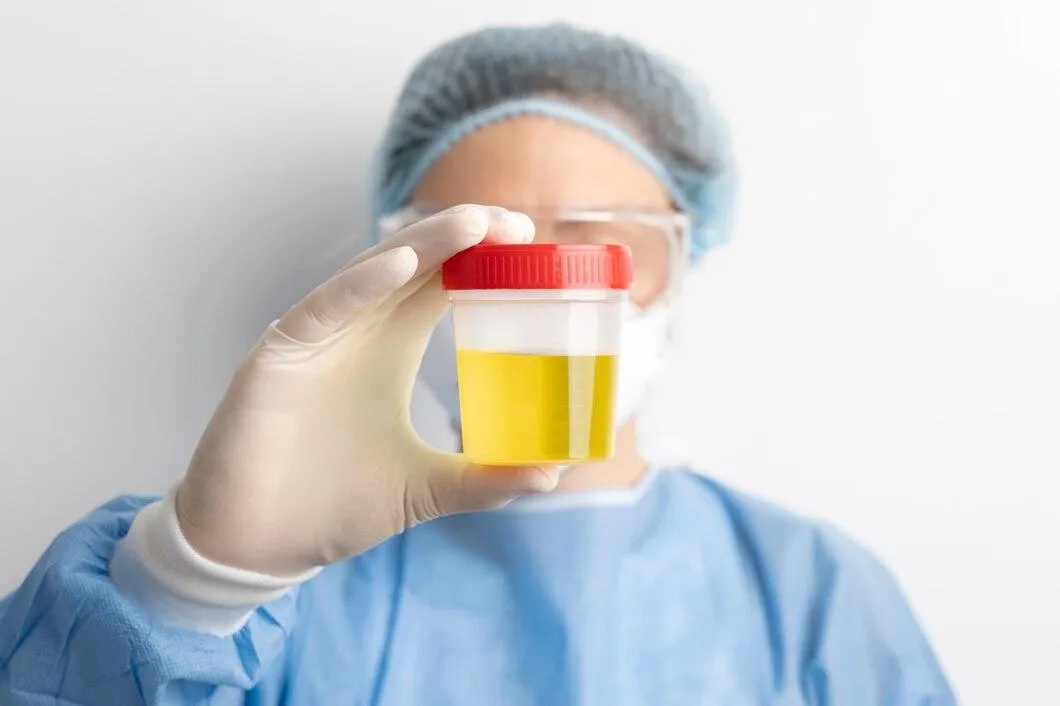

With the development of artificial urine, there has been a growth in chemistry and a greater need to carry out controlled biological tests. Samples have played an important role in the history of laboratory work and studies, where researchers and laboratory workers were needed for standardization of methods and protocols, calibration of equipment, and investigation of the chemical characteristics of human urine. Deception technologies also included the use of substitutes and materials for training and operational purposes when used in military environments to a greater degree. But the claim that modern artificial urine kits have been derived specifically from military deception must be taken with a grain of salt due to lack of historical evidence linking the use of the two in a direct manner.
The development of synthetic formulations
The science of analytical chemistry progressed, and laboratory ‘urine’ was produced, which simulates certain aspects of natural urine. These are their acidity, specific gravity, and compounds like urea and creatinine. Carefully prepared alternative substances can be used to test equipment in the laboratory in a controlled environment, making them different from the normal water-based solutions. A commercial synthetic urine product then emerged, and laboratory testing of the product was suggested and discussed, as were product reviews. Real samples that are taken artificially and for official testing per the approved procedures should be identified and manipulated at the discretion of the testing laboratory.
Modern Fake Urine Kits
The commercial kits can be in a mixed liquid or in powdered form along with instructions on how to create it to match one or more desired characteristics of natural urine. According to the study, published in Drug Testing and Analysis in 2026, none of the 10 commercial drug tests analyzed included cells or biological components found in most authentic urine samples. Such results emphasize the need to refine laboratory techniques, not just based on the appearance of the sample.
Health Considerations and Responsible Laboratory Use
Artificial urine should never be used to emulate a medical therapy or diagnostic alternative or a harmless substance for human consumption from a health perspective. It can be composed differently based on the manufacturer, and items that are not intended for use in clinical applications should not be used to validate a medical device without the proper approval. A wrong sample can adversely affect the interpretation of the diagnosis and delay the diagnosis of health issues. However, modern synthetic urine products raise ethical and regulatory issues if used to tamper with the results of drug screens. Doctors, patients, and the general public will have a better ability to spot potentially fraudulent products and to foster appropriate testing and informed decisions on their health and well-being if they know how these products have evolved.