
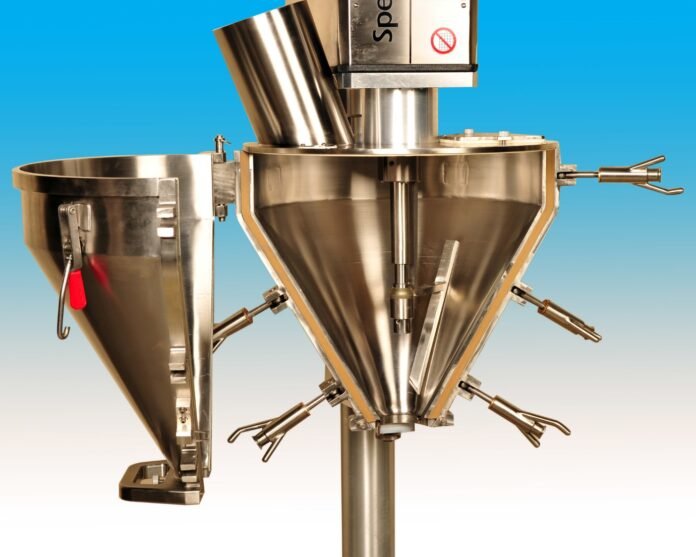

Rising demand for precision in commercial packaging pushes many facilities to seek machinery capable of delivering consistent results during intensive production cycles. Errors that once seemed minor now create costly setbacks when output expectations continue climbing across competitive markets. Modern filling technology addresses these challenges by offering reliable accuracy, improved product handling, and smoother operational flow. This article examines how advanced filling systems strengthen performance within complex manufacturing environments.
Automation Improves Product Handling
Automated solutions contribute significantly to maintaining uniformity during fast-paced manufacturing tasks that require secure product transfer and precise measurement. Facilities handling powdered materials and dry goods rely heavily on dependable systems that limit fluctuations. In mid-level operational reviews, the performance of powder filling machines is frequently highlighted for stable dispensing, while advanced Dry Fillers deliver strong support by improving volumetric accuracy across challenging workflows where consistent control remains essential.
Precision Enhances Packaging Quality
Accurate dispensing is a crucial element in modern packaging because it shapes product presentation, quantity control, and long-term consumer satisfaction. Many industries focus on solutions capable of maintaining reliability even under continuous strain. The midsection of equipment evaluations often showcases how powder filling machines ensure predictable dosage levels, while engineered Dry Fillers provide reinforced consistency that reduces waste, improves handling precision, and strengthens the overall quality of high-volume packaging operations.
Efficiency Supports Strong Output
High-output environments depend on systems designed to maintain speed while avoiding errors that disrupt workflow. Facilities targeting dependable performance prioritize machines with stable operational timing. In mid-range productivity assessments, experts consistently mention powder filling machines for their dependable efficiency, while industrial studies focusing on Dry Fillers highlight their contribution to smooth transitions between cycles, allowing production lines to meet demanding targets without unnecessary delays across complex processing tasks.
Speed Strengthens Line Performance
Fast-moving production lines require machinery that can deliver quick cycles without sacrificing accuracy, especially when handling sensitive materials. A growing number of facilities embrace systems that support accelerated filling while protecting product integrity. Mid-level comparisons frequently recognize powder filling machines for their steady cycle pace, while performance-oriented Dry Fillers contribute to higher speed operations by reducing lag time and maintaining reliable rhythm throughout demanding packaging schedules in competitive environments.
Technology Reduces Manual Strain
Modern automation helps eliminate repetitive labor and minimizes errors associated with manual measurement during extended work periods. Intelligent controls maintain product consistency while reducing operator fatigue. Detailed mid-phase technical studies often highlight powder filling machines for lowering manual dependence, while streamlined Dry Fillers earn attention for simplifying adjustments and creating smoother processes that support sustained performance across long-duration packaging operations requiring dependable automated systems.
Conclusion
Smooth integration between equipment types supports the consistent flow of materials through each stage of the production line. Facilities benefit from machines that synchronize effectively with surrounding components to avoid bottlenecks. In mid-processing evaluations, reviewers often highlight powder filling machines for improving flow coordination, while robust Dry Fillers boost structural alignment by delivering predictable output that keeps complex packaging arrangements functioning efficiently across high-demand industrial settings.