
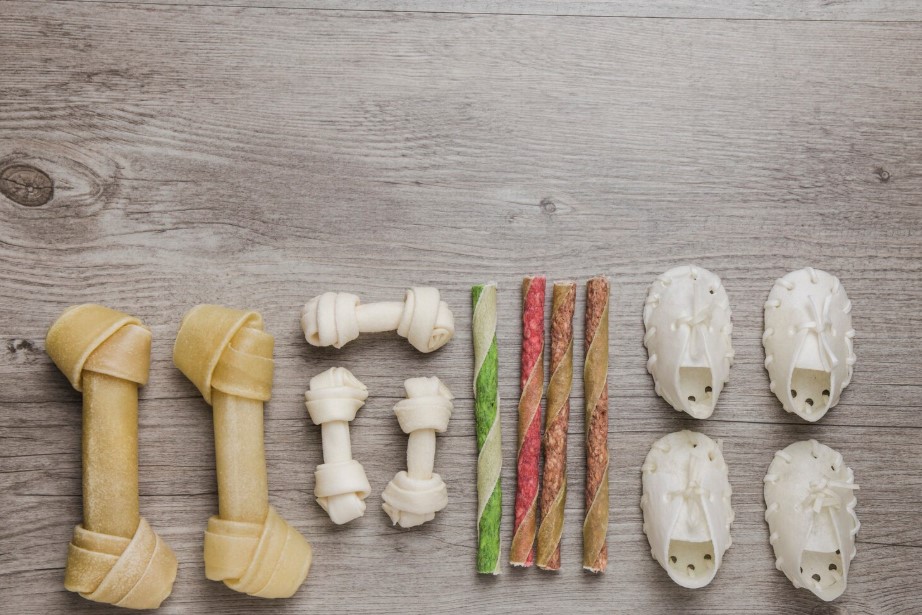

Choosing the best bones for dogs isn’t as simple as picking the first option you see at a pet store. Dogs have different chewing habits, jaw strengths, and nutritional needs based on their age, size, and breed. Selecting the right dog bones can improve dental health, reduce boredom, and keep your furry friend mentally stimulated.
In this comprehensive guide, we’ll help you understand how to choose the safest and most effective dog chew bones and chew bones for dogs tailored to your pet’s unique needs.
Why Dogs Need Bones
Chewing is a natural instinct for dogs. It helps them:
-
Relieve stress and anxiety
-
Keep their teeth clean
-
Strengthen jaw muscles
-
Stay mentally engaged
High-quality dog bones are more than just treats—they are essential tools for your dog’s overall well-being. However, choosing the best bones for dogs ensures safety while maximizing these benefits.
Types of Dog Bones You Should Know
Before selecting the right option, it’s important to understand the different types of dog chew bones available.
Natural Bones
These include raw bones such as beef or lamb bones. They are nutrient-rich and highly appealing but must always be given under supervision.
Synthetic or Nylon Bones
These long-lasting chew bones for dogs are designed for aggressive chewers and help maintain dental health.
Edible Chew Bones
These are digestible treats made from ingredients like rawhide alternatives, sweet potatoes, or meat-based formulas.
Dental Chews
Specially designed dog chew bones that help reduce plaque and tartar buildup.
Each type has its pros and cons, so choosing the best bones for dogs depends on your dog’s profile.
Best Bones for Dogs by Age
Puppies (0–12 Months)
Puppies are teething, so they need softer chew bones for dogs that won’t damage their developing teeth.
Best Options:
-
Soft rubber or puppy-safe dog chew bones
-
Edible, gentle chews
-
Small-sized training bones
Avoid hard dog bones, as they can harm a puppy’s teeth.
Adult Dogs (1–7 Years)
Adult dogs have stronger jaws and can handle a wider range of dog chew bones.
Best Options:
-
Durable nylon bones
-
Natural raw bones (with supervision)
-
Dental chew bones
For adult dogs, the best bones for dogs are those that balance durability and safety.
Senior Dogs (7+ Years)
Older dogs may have weaker teeth and gums, so softer chew bones for dogs are recommended.
Best Options:
-
Soft dental chews
-
Easily digestible edible bones
-
Lightweight chew toys
Choosing gentle dog bones helps prevent dental damage while still offering enjoyment.
Best Bones for Dogs by Size
Small Dogs
Small breeds like Chihuahuas or Pomeranians need smaller, softer dog chew bones.
Recommended:
-
Mini-sized edible chews
-
Soft rubber bones
-
Small dental sticks
Avoid oversized dog bones, as they can be difficult to handle.
Medium Dogs
Breeds like Beagles or Cocker Spaniels need moderately durable chew bones for dogs.
Recommended:
-
Medium-sized nylon bones
-
Natural bones suitable for moderate chewers
-
Dental chew bones
Large Dogs
Large breeds like Labradors or German Shepherds require strong and durable dog chew bones.
Recommended:
-
Heavy-duty nylon bones
-
Large raw bones
-
Long-lasting chew treats
For these breeds, the best bones for dogs must withstand strong chewing power.
Best Bones for Dogs by Breed Type
Aggressive Chewers
Some breeds, like Pit Bulls or Rottweilers, are known for their powerful chewing.
Best Choices:
-
Tough nylon dog chew bones
-
Reinforced rubber bones
-
Long-lasting chew products
Avoid soft chew bones for dogs, as they can be destroyed quickly.
Gentle Chewers
Breeds like Shih Tzus or Bulldogs may prefer softer options.
Best Choices:
-
Soft edible bones
-
Dental chews
-
Lightweight rubber bones
Working & Active Breeds
High-energy dogs benefit from engaging dog chew bones that provide mental stimulation.
Best Choices:
-
Interactive chew toys
-
Durable treat-dispensing bones
-
Long-lasting edible chews
Safety Tips When Giving Dog Bones
Even the best bones for dogs can pose risks if not used properly. Follow these safety tips:
-
Always supervise your dog while chewing
-
Avoid cooked bones, as they can splinter
-
Choose the right size to prevent choking
-
Replace worn-out dog chew bones
-
Ensure the product is digestible if edible
Safety should always come first when selecting chew bones for dogs.
Benefits of Choosing the Right Dog Bones
Selecting the right dog bones offers several benefits:
-
Improved dental health by reducing plaque
-
Reduced destructive behavior
-
Enhanced mental stimulation
-
Better jaw strength
-
Longer engagement and entertainment
The best bones for dogs are those that meet both safety and enrichment needs.
Common Mistakes to Avoid
Many pet owners make mistakes when choosing dog chew bones. Avoid these:
-
Giving bones that are too hard
-
Choosing the wrong size
-
Ignoring your dog’s chewing style
-
Offering cooked bones
-
Not checking ingredient quality
Making informed choices ensures your dog enjoys safe and beneficial chew bones for dogs.
Final Thoughts
Finding the best bones for dogs requires understanding your dog’s age, size, and breed. What works for a puppy may not be suitable for a large, aggressive chewer.
Always prioritize safety, quality, and your dog’s specific needs when selecting dog bones. Whether you choose natural options or durable dog chew bones, the right choice can significantly improve your dog’s health and happiness.
FAQs
1. What are the best bones for dogs to chew on daily?
The best bones for dogs depend on their size and chewing habits. Durable nylon bones or safe edible chews are great for daily use.
2. Are natural dog bones better than synthetic ones?
Natural dog bones provide nutrients but require supervision, while synthetic dog chew bones are safer for long-lasting chewing.
3. Can puppies have chew bones for dogs?
Yes, but only soft and puppy-safe chew bones for dogs designed for teething.
4. How often should I give my dog chew bones?
You can give dog chew bones a few times a week or daily, depending on the type and your dog’s chewing behavior.
5. What bones should dogs avoid?
Avoid cooked bones, very hard bones, and small bones that can splinter or cause choking hazards.