
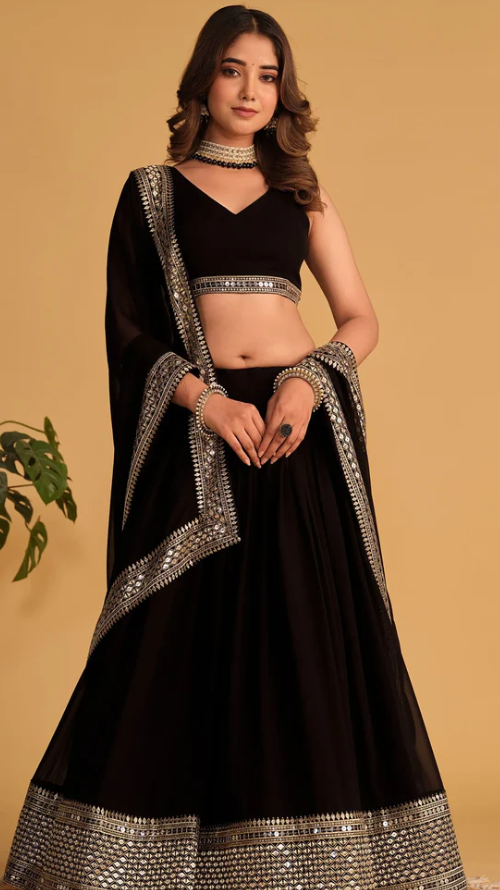

Ethnic fashion continues to evolve while maintaining strong connections to cultural traditions. Among the many garments that represent this balance between heritage and innovation are Indian Sarees and the increasingly popular black lehenga.
While sarees have been worn for centuries as a symbol of elegance and tradition, the black lehenga represents a modern interpretation of classic bridal and festive attire.
Together, these garments highlight the dynamic nature of contemporary ethnic fashion.
The Cultural Legacy of Indian Sarees
The saree is one of the oldest forms of clothing still worn today. For generations, Indian Sarees have represented grace, femininity, and cultural identity.
Different regions of India have developed their own distinctive saree styles, each reflecting local traditions and weaving techniques.
For example, Banarasi sarees are known for their luxurious silk and intricate brocade designs, while Chanderi sarees feature lightweight fabrics and delicate patterns.
These regional variations contribute to the diversity and richness of Indian textile heritage.
The Modern Appeal of Black Lehenga
While traditional lehengas are often associated with bright colors such as red or maroon, modern fashion has introduced bold alternatives. The black lehenga has become a fashionable choice for receptions, engagement ceremonies, and festive celebrations.
Black symbolizes elegance and sophistication, making it a striking option for special occasions. Designers often decorate black lehengas with gold or silver embroidery to create a dramatic and luxurious appearance.
Because of its versatility, the black lehenga has gained popularity among fashion conscious individuals who want a unique yet traditional outfit.
Fabrics and Craftsmanship
Both Indian Sarees and the black lehenga showcase the importance of fabric and craftsmanship in ethnic fashion.
Sarees are often woven using silk, cotton, or georgette fabrics, each offering different textures and visual effects. These fabrics allow designers to create garments that suit various occasions.
Lehengas, particularly black ones, frequently use luxurious materials such as velvet or silk. These fabrics enhance the richness of the color and provide a regal appearance.
Embroidery techniques such as zari work, mirror embroidery, and beadwork further enhance the beauty of these garments.
Styling Ethnic Outfits for Modern Occasions
Accessories play a major role in completing ethnic outfits. Traditional jewelry such as necklaces, earrings, and bangles can enhance the elegance of Indian Sarees.
For a black lehenga, statement jewelry and bold makeup often create a dramatic and glamorous appearance.
Footwear choices such as embroidered sandals or traditional juttis can further complement the outfit.
These styling elements allow individuals to adapt traditional garments to modern fashion preferences.
The Future of Ethnic Fashion
Fashion designers continue to explore innovative ways to reinterpret traditional garments. Contemporary sarees may feature modern prints or minimalist designs, while lehengas often incorporate unique silhouettes and unconventional colors.
The growing popularity of the black lehenga demonstrates how traditional garments can evolve to reflect modern tastes while maintaining cultural significance.
Similarly, Indian Sarees remain timeless pieces that continue to inspire designers and fashion enthusiasts.
Conclusion
Ethnic fashion represents a beautiful balance between tradition and innovation. The enduring appeal of Indian Sarees reflects centuries of cultural heritage, while the rising popularity of the black lehenga highlights the influence of modern fashion trends.
Together, these garments showcase the versatility and elegance of traditional attire, ensuring that ethnic fashion remains vibrant and relevant in contemporary style.