

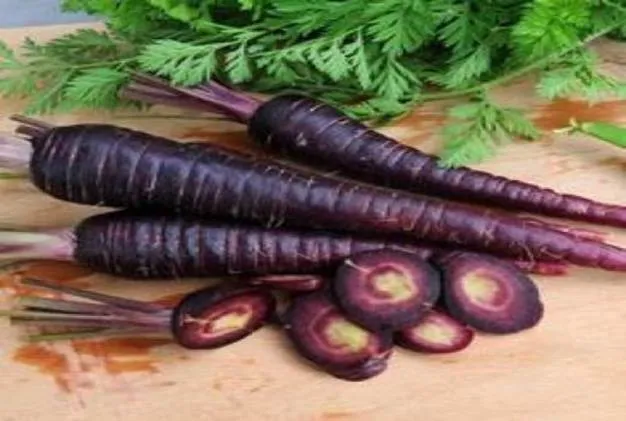
Orange juice looks bright. Lemonade looks pale. Cranberry blend? It fades fast on a shelf. Makers often turn to Black Carrot Concentrate when they want a red or purple shade that stays put in sour drinks. It comes from a real vegetable, and it handles acid better than many colors.
Anthocyanins are the pigments behind this color. They like acid, which is lucky, since juice is acidic. Still, heat, light, and time can dull them. A juice maker needs to know the rules. This article walks through the basics in plain words, one step at a time.
Why Acid Helps Color
In strong acid, anthocyanins turn a deep red. Raise the pH and the red slips toward purple, then blue, then a dull gray. Most fruit juices sit between pH 2.5 and 4. That is a sweet spot. Many natural colors fail here, but these pigments feel at home.
Elderberry Color brings a cool, bluish red, and it does well in tart apple or grape blends. Pick it when you want a cooler tone. Black carrot leans warmer. Neither is magic. Each one needs a quick test in your own recipe before you scale up.
Picking the Right Concentrate
Not all concentrates are equal. Look at color value, which many suppliers list as a number. A higher number means more punch per drop. Ask about the source and how it was made. A clean Black Carrot Concentrate should list few extras. Labels matter here.
Taste is another check. Some concentrates carry a faint earthy note, almost like fresh soil. In a bold juice you may never notice it. In a light lemon drink you will. Smell it, sip a tiny diluted sample, and trust your own nose, because spec sheets only say so much.
Dosage and Dilution Basics
Start small. Color is strong, and a little goes a long way. Many makers stay well under one percent by weight, then adjust. Add the concentrate to a small batch first. Stir well. Wait ten minutes, because shade can shift as it settles. Write every number down.
Water quality plays a part too. Hard water can push pH up and cloud the juice. Soft or filtered water is safer. Also keep an eye on the brix. Sugar does not change color much, but it does change how the eye reads it. Sweeter drinks often look richer.
Fighting Light and Heat
Heat is the big enemy. Pasteurizing can dull a bright red in minutes. Use the gentlest step that is still safe. Cool the juice fast after that. Hot filling is fine for many drinks, though a long hold in a warm tank is not. Short and quick wins.
Light is sneaky. A clear bottle on a bright shelf can fade color in weeks. Amber glass, opaque cartons, or tinted plastic help a lot. Oxygen matters too. Fill bottles full, seal them tight, and store them cool. Your future customer will thank you, though quietly.
Pairing With Other Ingredients
Vitamin C is a common addition in juice, and it can hurt anthocyanins. The two react, and color slowly browns. Test it. Sometimes a small dose is fine, sometimes not. Metals like iron and copper can also shift shade, so check your equipment and water.
Blending helps. A splash of Elderberry Color next to black carrot can give a layered red that looks natural, not flat. Some makers mix two sources to balance warm and cool tones. Keep notes on each ratio. It sounds dull, but it saves whole afternoons later.
Checking Quality Over Time
Run a shelf test. Store sample bottles at room temperature, in a fridge, and near a window. Check them every week. Look at the color with your eyes, then with a simple colorimeter if you have one. Numbers beat memory, every time. Take photos too, under the same lamp.
Watch for sediment as well. Some pigments clump and sink, which looks like a thin dark film at the bottom. Filter well before bottling. Also check pH at each stage. A drift of even half a point can change the shade you worked so hard to get.
Conclusion
Acidic juice and anthocyanins get along well, but they still need care. Pick a strong concentrate, dose it low, protect it from heat and light, and test often. Black Carrot Concentrate and Elderberry Color each bring something different, so try both in small batches.
For more color ideas and ingredient guides, visit foodrgb.com and keep exploring. Small experiments teach more than any manual. Start with one recipe, change one thing, and write down what happens. Soon you will spot patterns that no chart could show you.