

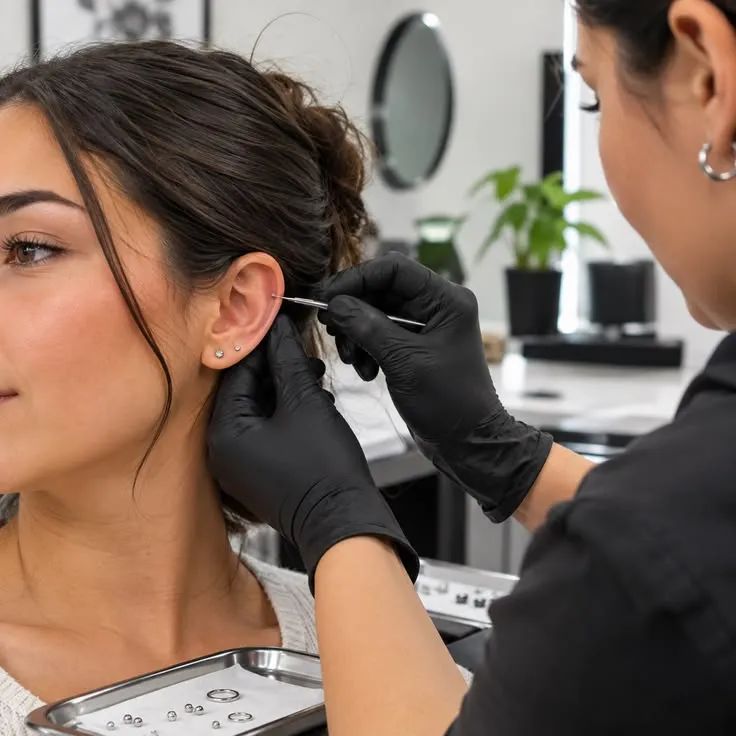
Body piercings offer a way to experiment with personal style without committing to a permanent design in the same way as a tattoo. A simple ear stud, delicate nostril ring, or carefully arranged collection of earrings can change someone’s appearance. However, choosing a piercing involves more than selecting attractive jewelry. People searching for piercings near me should consider placement, healing requirements, jewelry materials, and professional hygiene standards. Understanding these factors before an appointment can make the experience more comfortable and reduce the likelihood of avoidable complications.
Start With a Placement That Fits Your Lifestyle
Different piercing locations come with different practical considerations. Earlobe piercings are generally among the simpler options, while cartilage and facial piercings often require more careful healing and maintenance.
Daily habits can influence comfort. Someone who regularly wears headphones may find certain ear cartilage placements inconvenient. Athletes should consider whether protective equipment could press against new jewelry. Thinking about everyday activities helps prevent unnecessary irritation during healing.
Understand the Difference Between Ear Piercings
Ear piercing options extend well beyond the traditional lobe. Helix, tragus, conch, rook, and industrial placements can create different looks, but each involves distinct anatomical requirements.
Not every ear is suited to every piercing. A professional piercer should evaluate the shape and available tissue before recommending placement. Forcing a design that does not match someone’s anatomy may increase pressure, discomfort, or healing difficulties.
Consider Facial Piercings Carefully
Facial jewelry can be subtle or highly noticeable depending on the placement and selected style. Nostril piercings are popular because they can accommodate understated studs as well as certain rings after healing.
When researching nose piercing near me, it is helpful to ask about suitable initial jewelry, placement considerations, and expected healing requirements. Starting with appropriately fitted jewelry is more important than immediately achieving a particular decorative look.
Jewelry Materials Deserve Attention
Jewelry quality plays an important role in the experience of a new piercing. Materials used for initial jewelry should be appropriate for fresh piercings, with careful attention to surface finish, construction, and potential metal sensitivity.
Implant-grade titanium and certain other verified biocompatible materials are common professional options. Customers should ask what material is being used rather than relying on vague descriptions such as hypoallergenic. The jewelry must also provide enough room for expected initial swelling without creating unnecessary movement.
Professional Hygiene Is Essential
Piercing creates an opening in the skin, making infection prevention particularly important. A responsible studio should use appropriate sterile equipment, single-use piercing needles, and hygienic handling procedures.
Customers can ask how equipment is sterilized, how jewelry is prepared, and which aftercare practices are recommended. Piercing guns are generally unsuitable for cartilage piercings because they can cause unnecessary tissue trauma. Clear explanations from the piercer help establish confidence before the procedure begins.
Healing Requires Patience and Consistency
A new piercing may appear settled on the outside before the internal tissue has completely healed. Healing time depends on the placement, individual physiology, jewelry fit, and exposure to irritation.
Avoid twisting jewelry unnecessarily or repeatedly touching the area. Sterile saline wound wash is commonly recommended for routine cleaning, while harsh chemicals and homemade mixtures can irritate healing tissue. Follow professional aftercare instructions and avoid changing initial jewelry prematurely.
Recognize Problems Early
Some temporary tenderness, localized swelling, and light crusting can occur after a new piercing. However, worsening pain, spreading redness, pronounced heat, fever, or thick discharge may indicate a complication.
Persistent irritation can also result from unsuitable jewelry or repeated pressure. Rather than experimenting with multiple products, consult a qualified piercer for jewelry concerns and a healthcare professional when infection is suspected. Do not remove potentially infected jewelry without medical guidance.
Questions to Ask Before Booking
A short conversation with the studio can clarify important details and prevent uncertainty on appointment day. Consider asking:
-
Which piercing placements suit my anatomy?
-
What material and style of jewelry will be used initially?
-
How should I clean the area during healing?
-
When can the jewelry be changed safely?
-
What should I do if unusual swelling or irritation develops?
These questions help establish realistic expectations. Customers should also confirm identification requirements, pricing, and any age restrictions before visiting.
Think Beyond the Initial Appearance
Piercing jewelry can become part of someone’s everyday style, but long-term comfort deserves attention. Jewelry that catches on clothing, interferes with work equipment, or creates repeated pressure may become frustrating.
Choosing a suitable location and appropriate jewelry from the beginning makes it easier to enjoy the finished look. Future jewelry changes can offer variety once the piercing is fully healed and ready for different styles.
Conclusion
A positive piercing experience begins with informed decisions rather than impulse. Understanding anatomy, selecting appropriate jewelry, following hygiene standards, and allowing adequate healing time all contribute to a better outcome. Customers should choose professionals who explain the procedure clearly and encourage questions about safety and aftercare. For individuals considering ear or facial piercings in the Chicago suburban area, atmospheretattoo.com offers information about piercing services and studio locations. With realistic expectations and careful maintenance, a new piercing can become a comfortable and expressive addition to personal style without unnecessary complications.