
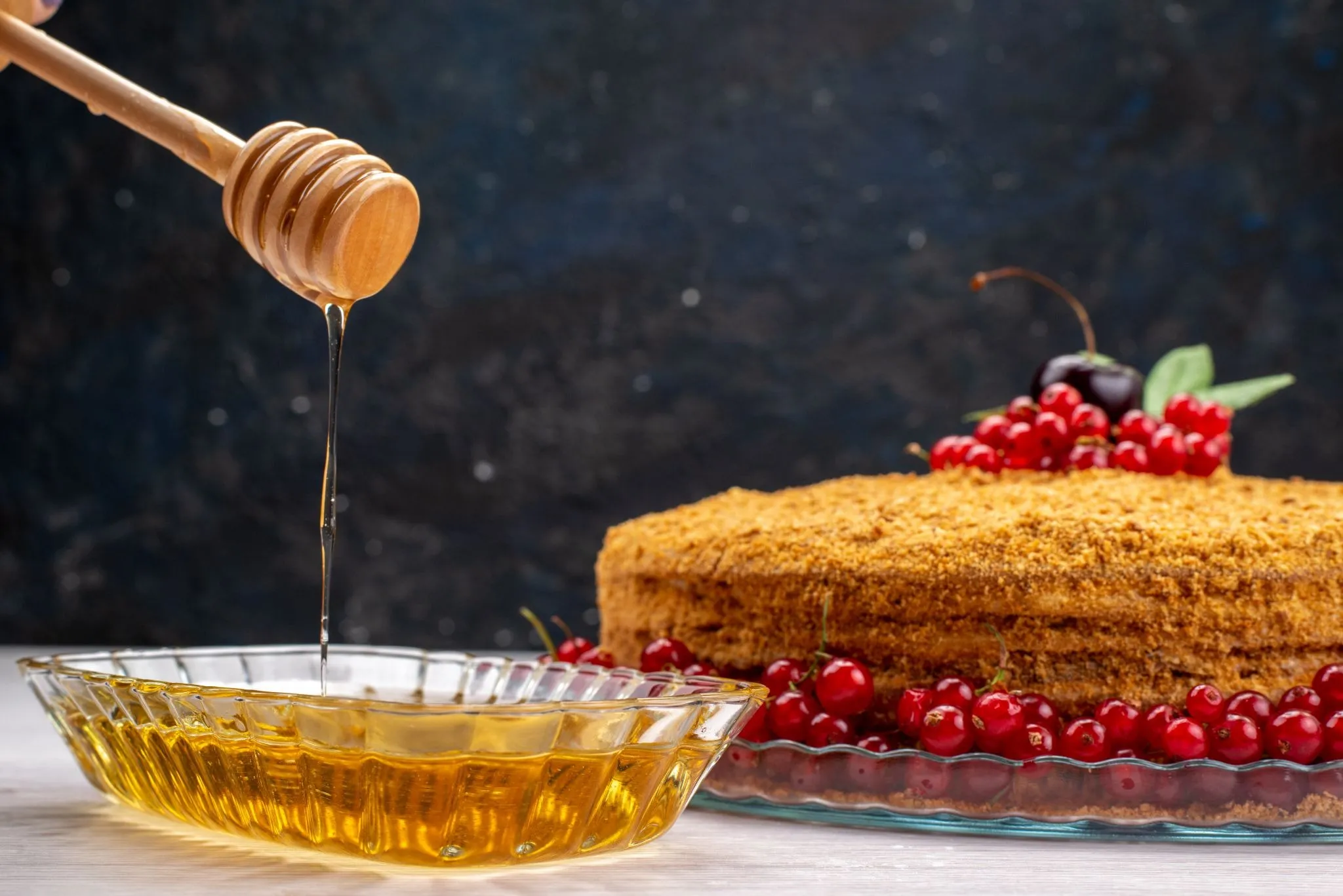

Not all honey is the same, and people who have tasted Tupelo honey will tell you that immediately. It has a flavor, texture, and stability that most commercial honey cannot come close to. But the word “best” gets used loosely in the food world, so it is worth asking what actually earns that label here. The answer comes down to a combination of things that rarely exist together in one product: a specific origin that cannot be replicated, a flavor profile that stands on its own, and a chemical composition that keeps it liquid far longer than any other honey on the market.
What Tupelo Honey Is
Tupelo honey is a single-origin honey produced from the blossoms of the white Ogeechee Tupelo tree, a species that grows in a narrow stretch of river swamp along the Apalachicola and Choctawhatchee river basins in northwest Florida and parts of southern Georgia.
Where It Comes From
The white Ogeechee Tupelo tree blooms for roughly two weeks each spring, typically in late April through early May. Beekeepers who produce genuine Tupelo honey position their hives directly over the swamp water during this window, often on floating platforms, to maximize nectar collection from that single source. The geography is not replicable. The tree does not thrive outside this specific river swamp environment, which means the honey can only come from one place on earth.
Why It Is Considered Rare
The two-week bloom window is the core reason for its scarcity. If rain, wind, or cold temperatures hit during that period, the harvest shrinks dramatically. Some years produce strong yields. Others produce very little. That variability, combined with the labor-intensive harvesting method over water, keeps production limited and demand consistently higher than supply. Pure Tupelo honey from a verified source is never in oversupply.
The Traits That Make It the Best
Several honeys claim premium status. What separates Tupelo is that its defining traits are measurable and consistent rather than subjective. Understanding those traits is what makes it easy to identify the best Tupelo honey on the market from a product that simply carries the name.
Smooth, Buttery Texture
Tupelo honey has a texture that is noticeably different from most commercial varieties. It pours slowly, sits heavily on a spoon, and has a smooth, almost buttery quality that does not feel thin or watery. That density comes from its high fructose content and relatively low water activity, both of which contribute to its thick, clean consistency.
Mild Floral and Fruity Flavor
The flavor profile is one of the most recognized features in premium honey circles. Tupelo honey carries a mild, floral sweetness with a faint fruity note that some describe as similar to cinnamon or rose. It does not have the sharp or astringent qualities that darker honeys often carry. The finish is clean and gentle, which makes it versatile across both sweet and savory applications.
What Tupelo honey tastes like compared to common varieties:
- Milder and less sharp than buckwheat
- Lighter in flavor than wildflower or clover
- Smoother and more complex than standard commercial honey
- Fruity undertones absent from most monofloral varieties
Long Lasting Liquid State
Most honey crystallizes over time. Tupelo honey does not, or does so at an exceptionally slow rate, compared to virtually every other variety. That quality alone sets it apart in practical terms.
Why Crystallization Matters
Crystallization is a natural process in all honey caused by glucose separating from water and forming solid crystals. Most people have experienced a jar of honey turning grainy or solid after a few months. Tupelo honey behaves differently because of its specific sugar composition.
High Fructose to Glucose Ratio
Tupelo honey has one of the highest fructose-to-glucose ratios of any honey in the world. The fructose content typically ranges between 44 and 48 percent, while glucose sits significantly lower. Since glucose is the sugar that drives crystallization, a low glucose level means the honey stays liquid for months or even years under normal storage conditions.
This is not a processing trick or an additive. It is a direct result of the Ogeechee Tupelo blossom’s nectar chemistry, which makes genuine Tupelo honey uniquely stable without any heating or treatment.
How This Affects Shelf Appeal and Use
For buyers, this means a jar of Tupelo honey purchased today looks and pours the same six months from now. That consistency has practical value in the kitchen and commercial value for sellers. It also means the honey can be sold raw and unprocessed without sacrificing presentation, preserving both its enzyme content and flavor integrity.
Why Premium Buyers Choose It
Premium buyers are willing to pay more for products that offer authenticity, exclusivity, and a verifiable origin story. Tupelo honey delivers all three, making it a standout choice in the specialty honey category.
Limited Harvest Window and Single Origin Sourcing
Scarcity drives perceived and real value in specialty food markets. A product that can only be harvested for two weeks per year, in one geographic location, by beekeepers who navigate swamp terrain on floating platforms, earns its premium price through genuine production constraints rather than marketing.
Single-origin sourcing also appeals to buyers who want traceability. Genuine Tupelo honey comes from a specific river system. The beekeeper can tell you exactly where the hives were placed and when. That transparency is rare in the broader honey market.
Higher Price and Perceived Quality
Genuine Tupelo honey typically retails between $12 and $25 per pound, significantly higher than most supermarket varieties. That price reflects production cost, scarcity, and quality rather than branding. Buyers who pay it consistently report it as one of the few food purchases where the product fully matches the price. The best Tupelo honey comes with a traceable source, a named beekeeper, and a harvest season on the label.
How to Judge Quality in Tupelo Honey
Not all honey labeled as Tupelo is genuine. Blended or misrepresented products exist in the market, so knowing what to look for protects both the buyer and the producer’s reputation.
Color, Aroma, and Texture
Authentic Tupelo honey has a distinctive golden amber to light greenish gold color. The aroma is floral and mild, with no sharp or fermented notes. The texture pours slowly and holds its shape briefly on a spoon before settling. These characteristics are consistent across genuine harvests.
Signs of Authenticity
Buyers looking to verify quality should check for:
- A named beekeeper or production region on the label
- Harvest year or bloom season noted on the packaging
- Raw and unfiltered designation, which preserves the honey’s natural state
- No added sugars, corn syrup, or artificial thickeners listed in ingredients
- Lab testing results, if purchasing at volume, can confirm the fructose-to-glucose ratio
Reputable producers are transparent about their sourcing and can answer specific questions about where and when the honey was harvested.
Takeaway
Tupelo honey earns the label of best because the combination of traits it carries does not exist anywhere else. The flavor is mild and distinctive. The texture is smooth and consistent. The resistance to crystallization is a documented chemical property, not a claim. The origin is limited to one region on Earth and a two-week window each year. Together, those qualities produce something that genuine honey buyers return to repeatedly once they have tried it.
Smiley Honey sources authentic Tupelo honey directly from beekeepers along the Apalachicola River, harvested during the spring bloom and bottled raw to preserve everything that makes it worth buying. If you are searching for the best Tupelo honey available, this is the place to start. Browse the current harvest at Smiley Honey and taste the difference a single origin and two weeks of the year can make.